

 News
News  May 3, 2025
  3 min.
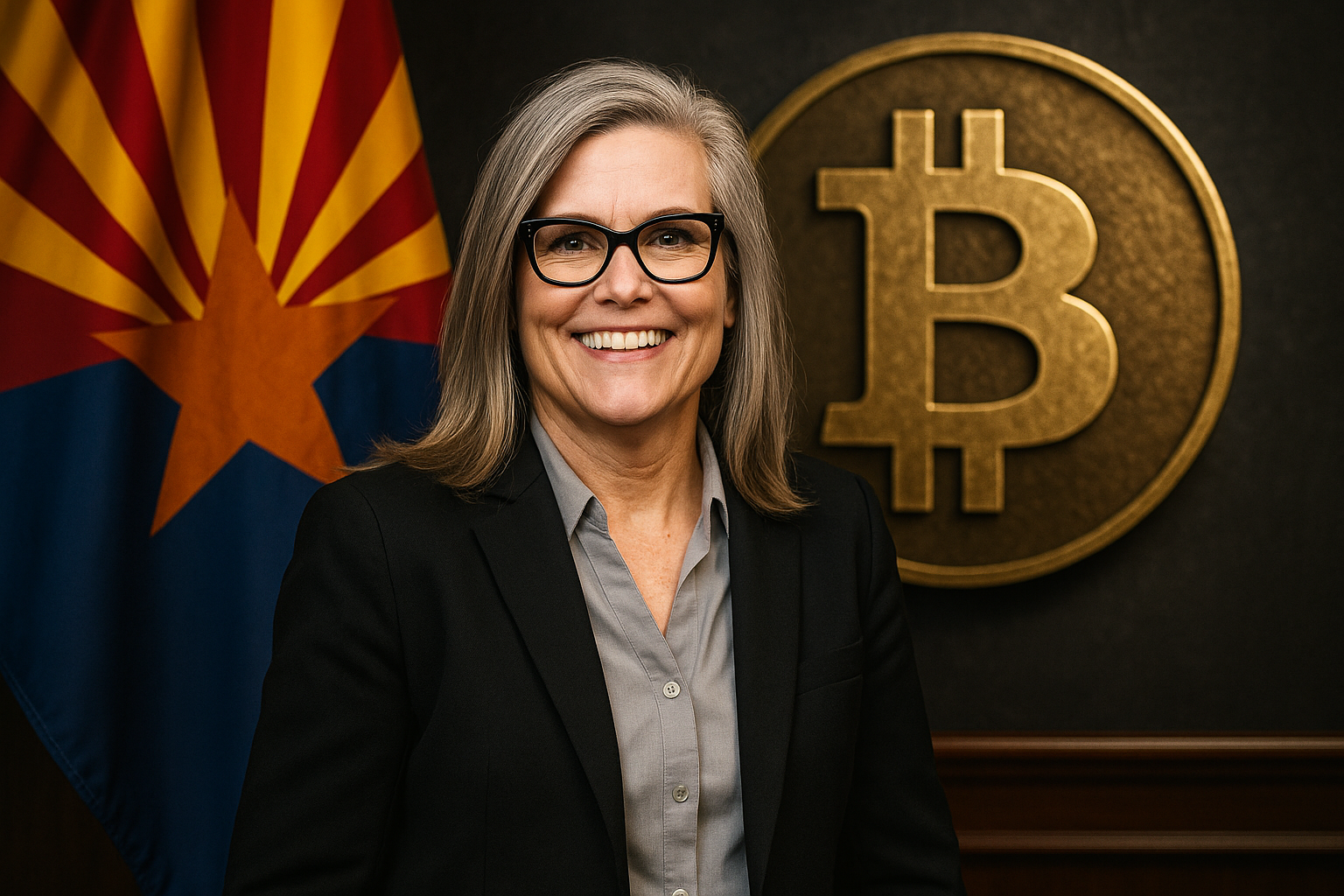
A major legislative effort to make Arizona the first U.S. state to hold Bitcoin in its official reserves has come to an abrupt end. Arizona Governor vetoes the Digital Assets Strategic Reserve bill, a proposal that would have allowed the state to invest seized funds into Bitcoin and manage them through a state-run reserve.
The decision, made by Governor Katie Hobbs and reflected in an official update on the Arizona State Legislature’s website, marked a significant blow to crypto advocates pushing for greater government-level adoption.
“Today, I vetoed Senate Bill 1025. The Arizona State Retirement System is one of the strongest in the nation because it makes sound and informed investments,” Hobbs wrote in a formal message to Senate President Warren Petersen. “Arizonans’ retirement funds are not the place for the state to try untested investments like virtual currency.”
Although the bill passed the Arizona House on April 28 with 31 votes in favor and 25 against, Hobbs had previously signaled she would reject any proposal not tied to bipartisan agreements. This effectively sealed the bill’s fate.
Second Bitcoin Bill Awaits Decision as Arizona Eyes Digital Reserve Strategy
A related piece of legislation, Senate Bill 1373, is still pending a final vote. If approved, it would allow Arizona’s state treasurer to allocate up to 10% of the state’s emergency “rainy-day” fund into digital assets, including Bitcoin.
Arizona is among several U.S. states that have recently explored similar crypto-forward policies, though many have failed to cross the finish line. Comparable efforts in Oklahoma, Montana, South Dakota, and Wyoming have either stalled in committee or been formally withdrawn.
Meanwhile, North Carolina has taken a different path. On April 30, its House passed the Digital Assets Investment Act, giving the state treasurer authority to invest up to 5% of eligible funds in approved cryptocurrencies. The bill now heads to the state Senate for further deliberation.
These state-level initiatives reflect a broader national shift toward integrating digital assets into public finance. At the federal level, former President Donald Trump, along with key Republican allies, has championed the creation of a Strategic Bitcoin Reserve. In March, Trump signed an executive order proposing the establishment of both a Bitcoin reserve and a Digital Asset Stockpile to secure America’s position in the emerging crypto economy.