Regulation
EU proposes 22nd Russia sanctions package, according to Sofia Globe and Kyiv Independent
The European Commission proposed a 22nd sanctions package against Russia on Nov. 23, according to Sofia Globe and Kyiv Independent. The proposal targets crypto platforms and payment networks in Russia and in third countries that help it get around the sanctions.

Key points
- The proposal extends the transaction ban to about 60 Russian banks, and their removal from the SWIFT system is also mentioned.
- The Commission plans special action against Kyrgyzstan, where crypto platforms undermine the sanctions.
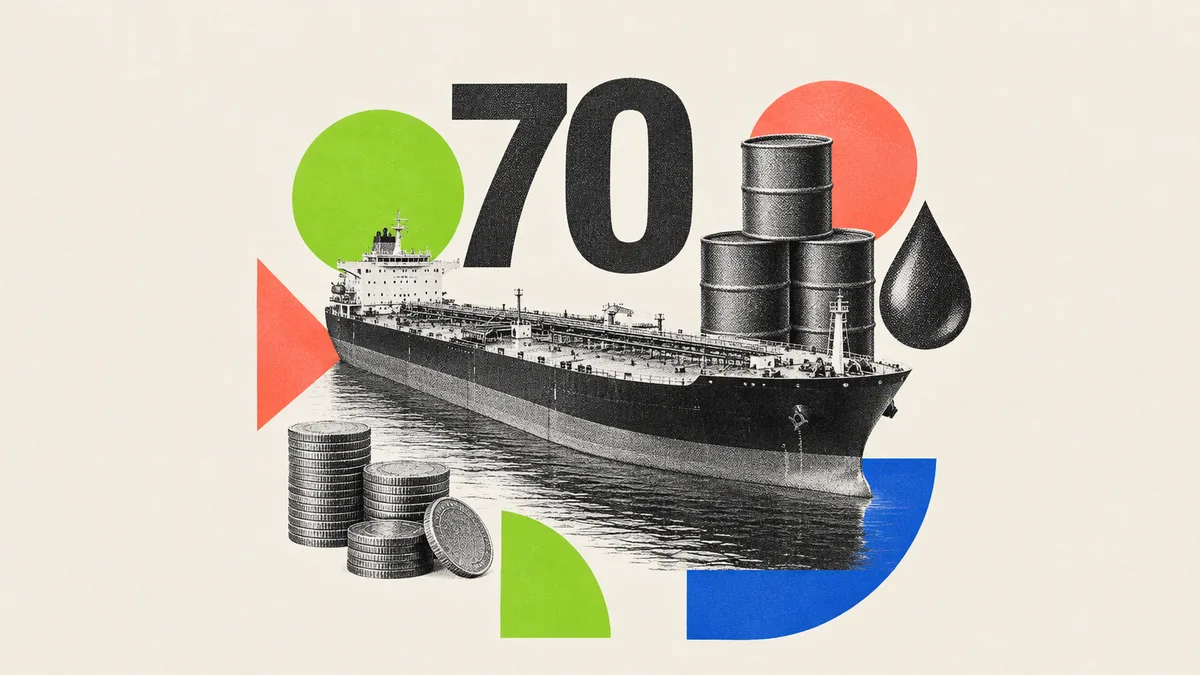
- The package adds more than 70 ships of Russia's shadow fleet to the sanctions list and proposes banning tankers insured in Russia.
What Von der Leyen presented to the bloc
According to Sofia Globe, Ursula von der Leyen presented the proposal for the 22nd sanctions package against Russia on Nov. 23. The outlet reproduced the Commission president's remarks on extending the transaction ban to Russian banks. Its text also carries her remarks on the Russian shadow fleet, on crypto and payment networks and on the task force on the subject.
On crypto and payment networks, Von der Leyen said: “And we are cracking down on the crypto and payment networks”. She added that the focus is Russia, but that third countries helping it get around the sanctions are also covered. The DefiantNews account described the plan as restrictions on platforms and payment networks that help Russia sidestep sanctions, among them networks located abroad.
The statement the Commission published on Nov. 23, 2026 carries no annex or entity list and names no crypto platform or country, BlockchainReporter reported.
To take effect, the proposal presented on Nov. 23, 2026 needs unanimous approval from the 27 member states. MLQ.ai also noted, on Nov. 23, 2026, that any sanctions decision needs all 27 member states to agree.
Banks, ships and the Kyrgyzstan block
Von der Leyen said the transaction ban will be extended to about 60 Russian banks. Wu Blockchain cited their removal from the SWIFT system, and Sofia Globe noted that all 60 will leave it.
On the maritime front, Von der Leyen said the Commission is listing more than 70 additional ships of the Russian shadow fleet. bne IntelliNews added that the proposal also bans tankers insured in Russia.
The Commission also plans special action against Kyrgyzstan, where crypto platforms undermine the sanctions. MLQ.ai describes the plan as a block on crypto platforms in Kyrgyzstan.
Sport and Kyiv's reaction
According to Kyiv Independent, Russian sport, soldiers and crypto are prime targets of the package Von der Leyen proposed on Nov. 23.
According to Sofia Globe, the proposal would bar Russian teams and athletes competing under the Russian flag from sports events in the EU. According to PiQ Markets, the package includes a ban on Russian athletes entering the EU.
Ukraine's prime minister, Serhii Koretskyi, and its foreign minister, Andrii Sybiha, praised the proposal on Nov. 24, PiQ Markets reported.
Kyiv Independent relayed the assessment that squeezing the aggressor's finances and energy sector, policing evasion and the proposed bar on former Russian fighters entering the EU all bolster the security of Ukraine and Europe.
The road to the proposal
BlockchainReporter noted that member states adopted the previous package against Russia on July 23, 2026.
Kyiv Independent reported that the Crypto Sanctions Task Force was launched before the proposal, still in November.
In a separate report, bne IntelliNews said the Commission intends to use a tool agreed in the previous package to impose a full ban on crypto platforms in Kyrgyzstan.
What we don't know yet
- Which crypto platforms, payment networks and countries will be targeted? The statement of Nov. 23, 2026 names none.
- Not yet known: which Russian banks the transaction ban will reach, a number the proposal sets at about 60.
- What kind of transaction does the bank ban cover?
- Nothing is settled on the proposal's legal text: the statement of Nov. 23, 2026 has no numbered articles.
- On which day in November was the Crypto Sanctions Task Force launched?
- Still open are the reach of the tool aimed at Kyrgyzstan and when it will be triggered.
- How will European platforms and users be affected?
- Who among the member states could block the proposal?
- Open too is the scope of the sports measure: according to PiQ Markets, the package bans Russian athletes from entering the EU, and according to Sofia Globe, the ban covers Russian teams and athletes competing under the Russian flag at EU sports events.
- Is there an expected date for the package to be adopted?
- It is unclear whether the SWIFT removal applies to every bank covered by the transaction ban.
What's next
- Diario Bitcoin noted that the proposal, presented on Nov. 23, 2026, still has to move toward formal adoption and does not identify the affected entities.
- On Nov. 23, 2026, Cointelegraph noted that all 27 member states still need to approve the proposal.
- The Commission launched the Crypto Sanctions Task Force to step up enforcement of the sanctions, Von der Leyen said.
Sources
This is not investment advice.
Found an error? Tell the newsroomEditorial policyShare
More news
- ECB approves accepting tokenized securities from licensed DLT platforms as collateral, starting June 2027 · 24 Nov
- South Korea moves to allow crypto platforms to halt withdrawals when a hack is suspected · 13 Nov
- Tether Capital invests $15 million in Brazilian fintech Nomad · 19 Nov
- Solana Foundation announces backing for CoinGecko without disclosing terms or ownership share · 17 Nov
- Rumor: DTCC wants to link its tokenization service to Solana in 2027, according to DTCC · 14 Nov
- Upbit announces spot trading for RPL, ACU, DBR and ON · 24 Nov
How we work
- Every fact carries its source, with a link when there is one.
- Official sources are flagged in the source list.
- Updates and corrections stay at the top of the text, with the time.