
 News
News  January 24, 2025
  3 min.
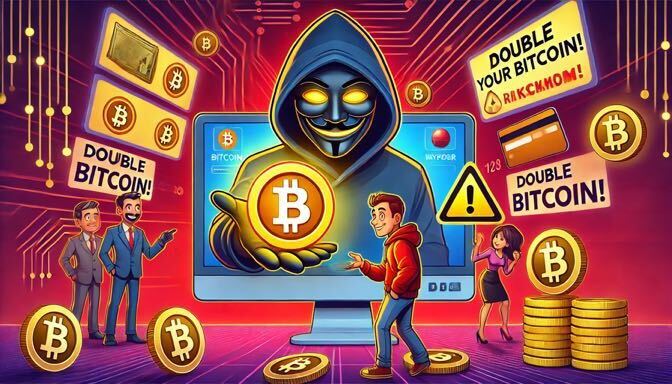
A recent scam involving a memecoin called $BRAZIL has drawn attention to a potential security breach in the online accounts of Brazilian political figures. Former President Jair Bolsonaro’s X (formerly Twitter) account was allegedly hacked to promote the fraudulent cryptocurrency, as claimed by his son, Carlos Bolsonaro. This incident echoes a similar situation involving Congressman Marco Feliciano’s account just days earlier, raising questions about a coordinated attack targeting high-profile figures.
The memecoin scam employed identical strategies in both cases, leveraging the public trust in these figures to lure users into shady cryptocurrency investments. Experts warn that the recurrence of such schemes underlines the importance of robust account security and vigilance when engaging with cryptocurrency promotions online.
Politicians’ Accounts Exploited in Cryptocurrency Scam
The $BRAZIL memecoin scam has caused an uproar among cryptocurrency enthusiasts and political observers in Brazil. Carlos Bolsonaro, the son of former President Jair Bolsonaro, claimed that his father’s X account had been hacked to promote the suspicious cryptocurrency. The account shared promotional material designed to mislead users into investing in $BRAZIL, a memecoin tied to dubious contracts and profiles.
Just days earlier, Congressman Marco Feliciano’s account exhibited similar activity. Although Feliciano has not addressed the situation publicly, the striking similarities between the two cases suggest a coordinated campaign. Both instances involved identical promotion methods, including fraudulent contracts and fake endorsements.
Experts Warn of Growing Risks in Cryptocurrency Promotions
The recurring use of public figures’ accounts to spread cryptocurrency scams has raised alarms about digital security. Cybersecurity analysts emphasize that such incidents not only tarnish the credibility of political figures but also exploit the public’s trust. Scammers often rely on high-profile endorsements, real or fabricated, to lend legitimacy to fraudulent projects.
Users are advised to exercise caution when encountering cryptocurrency promotions, especially those tied to influential personalities. The fraudulent nature of $BRAZIL, coupled with its use of hacked accounts, underscores the need for stricter controls on online security. In addition, platforms like X face increasing scrutiny for their role in enabling such schemes.
Conclusion
The $BRAZIL memecoin scam serves as a cautionary tale about the dangers of mixing cryptocurrency promotions with unsecured digital accounts. While the alleged hacking of Jair Bolsonaro’s and Marco Feliciano’s accounts is still under investigation, the incident highlights the urgent need for enhanced cybersecurity measures. Users must remain vigilant, question endorsements, and verify investment opportunities to avoid falling victim to similar schemes.